$LOTR Just Graduated Pump.fun, But the First Pump Already Gave Back 77%
The Lord of the Rings meme has early caller heat, a clean authority read, and a tiny market cap, but the holder map is already the whole trade.
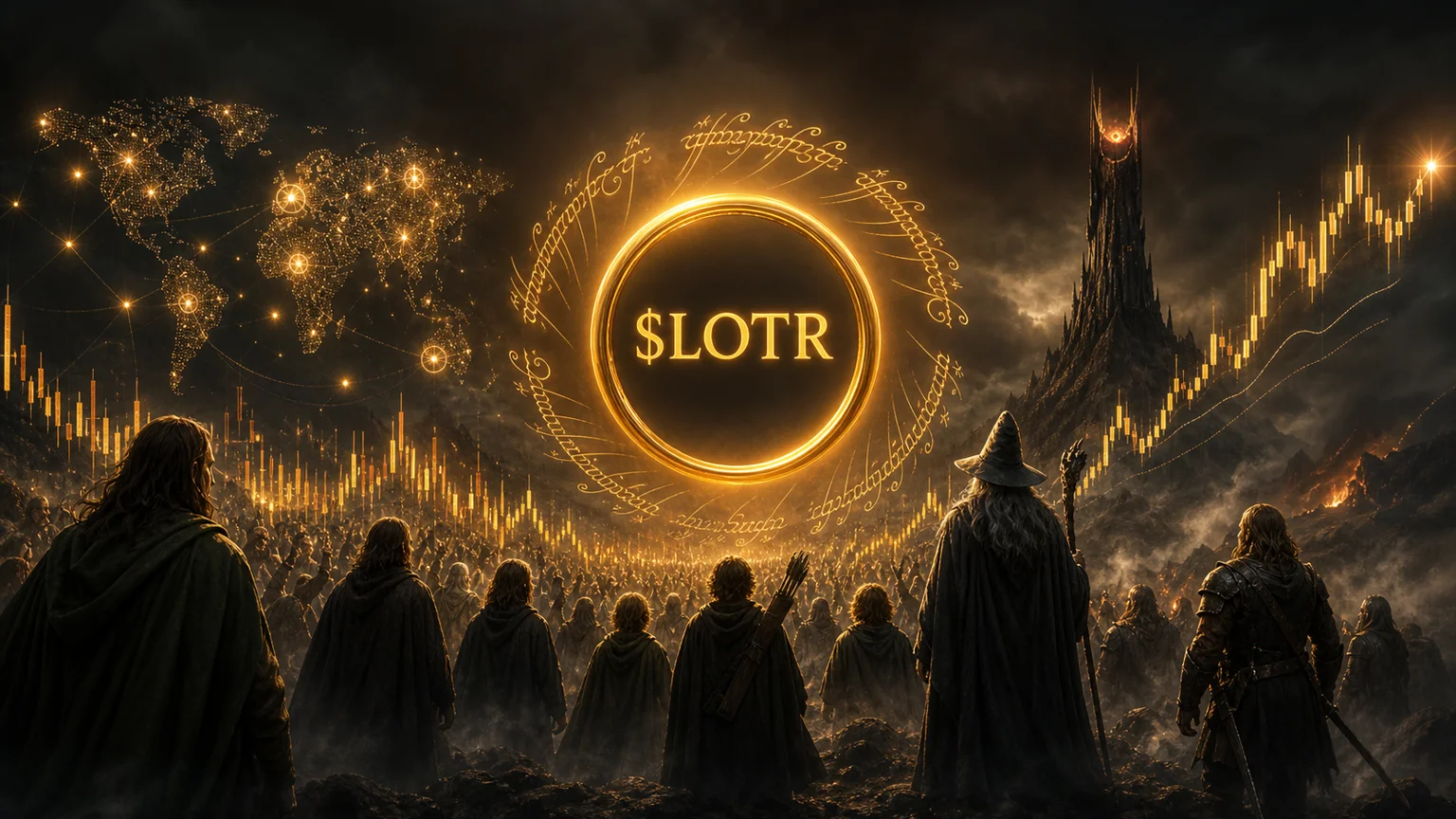
Clean authority read, but the largest holder controls about 30.45% and the top three wallets sit near 38.74%.
$LOTR is the kind of micro-cap Solana meme that can look either ridiculous or early depending on which minute of the chart you catch. The Lord of the Rings ticker graduated Pump.fun around 3:10 AM UTC, printed an early market-cap high near $80.96K, and then slid back toward $18.7K before most of the market had time to decide whether the joke was worth a second candle. That combination is exactly why it belongs on launch radar instead of a clean green list. The meme is obvious, the cap is tiny, and the caller activity is already visible, but the first move also tells you supply hit the bid fast.
The editorial angle here is not that $LOTR has discovered a new meta. It has not. This is a culture-meme bid wearing one of the most recognizable fantasy names on the internet, dropped into a market that still rewards instant ticker recognition. The useful question is whether the early pile-in creates a second attempt or whether the first $80K print was the whole event. At this size, both outcomes can happen in a few candles. That is why the on-chain read matters more than the punchline.
- → $LOTR is trading near a $18.7K market cap after falling about 76.9% from its early $80.96K high.
- → The token shows 313 holders, about $3.69K in 24-hour volume, and 101 sniper wallets owning roughly 8.25% of supply.
- → Authority data is cleaner than average, with freeze authority and mint authority both off, but the biggest wallet controls about 30.45%.
The Meme Is Doing the First Job
A Lord of the Rings meme does not need a thesis deck. It needs instant recognition, a cashtag that can be repeated without explanation, and enough early buyers to make the chart look alive. $LOTR has the first two. The third is still being tested. The launch picked up attention quickly enough to graduate, and the recorded caller activity explains why this did not sit unnoticed at the bottom of Pump.fun. The danger is that obvious memes often attract obvious exits. When everyone understands the joke at the same time, the earliest wallets do not need patience to make money.
That is what makes the 77% giveback important. A pullback from the first high is normal for a new Solana meme, especially when the market cap is still below $25K. But a drop that deep means the next bid has to do more than celebrate the ticker. It has to absorb holders who bought the first burst, snipers who still have supply, and a large top wallet that can change the chart mood quickly. $LOTR can still bounce hard from this base, but the burden of proof has moved from name recognition to actual demand.
Why the Caller Heat Matters
The launch data shows $LOTR was not just a random contract drifting through the feed. The scan logged ten caller-linked trades around the graduation window, which is enough to separate it from the average one-and-done ticker. That does not make it safe, and it does not mean the callers are still in the trade. It does mean the token had distribution channels before the broader market saw a stable chart. In micro-cap meme trading, that first wave can matter as much as liquidity because it determines how many timelines see the same ticker before the second candle attempt.
The cleaner read would be caller heat plus a held market cap. $LOTR only has half of that right now. The market saw the meme, chased the move, and then sold it down. The next useful signal is whether those same social channels create fresh demand after the drawdown, or whether the early attention was simply exit liquidity for the first wallets. A tiny cap can recover quickly, but it can also disappear into low-volume churn if the callers move on and the meme does not recruit a community fast enough.
What the On-Chain Data Shows
The Solana authority read is the best part of the $LOTR profile. Rugcheck shows freeze authority disabled and mint authority disabled, which removes two of the nastier mechanical risks that can wreck a new token before price action even matters. The normalized Rugcheck score is 1, and the report does not show an obvious list of contract-level risks. The creator wallet is listed as G69bxHU1CmLScWhHdWF6ZuLaGTaySR9WxnAScATMR8dd with no creator balance showing in the available profile. That is not a buy signal, but it means the obvious authority trap is not the headline problem.
The problem is concentration. The largest holder sits around 30.45% of supply. The top three wallets add up to roughly 38.74%. That is a massive amount of influence for a token with only 313 holders. Even if the top wallet is not marked as an insider, the practical market effect is the same: one address can lean on the chart, stall a bounce, or turn a thin bid into a vertical dump. The scanner also logged 101 sniper wallets with about 8.25% of supply. That sniper share is not catastrophic by itself, but paired with a heavy top wallet and a low market cap, it keeps $LOTR firmly in speculative territory.
The Bull Case Is Still Small-Cap Reflexivity
The bullish version is simple: $LOTR is small enough that one clean wave of buyers can reprice it violently. A move from $18K back toward the old $80K high is not a heroic market-cap target; it is a return to a level the token already touched during the launch window. If the Lord of the Rings joke catches replies, quote posts, and remix memes, the chart does not need institutional-grade liquidity to move. It needs a fresh bid that is willing to ignore the first dump and treat the drawdown as reset pricing.
There is also a reason culture memes keep working at the bottom of the cap table. The audience already understands the reference, and the ticker is easy to remember. $LOTR does not have to teach people what it is. It only has to make the trade feel alive again. For a token this young, volume confirmation would matter more than another clever post. If 24-hour volume expands meaningfully from the current $3.69K base while the market cap holds above the post-drop zone, the read improves fast.
The Bear Case Is Supply Control
The bearish version is just as direct. $LOTR already had the easy part: recognizable name, early attention, and a quick graduation story. Then it gave back most of the move. That tells you the first wave was not sticky enough to hold the chart. With the largest wallet holding roughly 30.45%, every bounce has to be judged against the possibility that concentrated supply uses strength to exit. The token can look clean on authority settings and still be a brutal trade if the holder map is lopsided.
Liquidity is also not proven from the available snapshot. FDV and market cap are visible, but the exit door is harder to judge without a strong liquidity number. That matters because $LOTR is not trading like a deep pool asset. It is a micro-cap meme where one determined wallet can create a candle that looks like momentum until the next buyer discovers there is not enough depth behind it. The clean authority profile lowers contract risk, but it does not solve market-structure risk.
What Would Change the Read
The next clean upgrade for $LOTR would be a higher holder count, expanding volume, and a smaller visible concentration footprint. If the token pushes back toward the early high while new holders arrive and the top wallet percentage falls, the story shifts from first-pump exhaustion to actual community absorption. If volume stays thin and the holder count barely moves, the launch starts to look like a quick caller trade wrapped in a famous meme.
For now, $LOTR is a watchlist token, not a clean conviction signal. The setup has enough ingredients for another violent move: a recognizable meme, a tiny cap, early social distribution, disabled freeze authority, disabled mint authority, and no obvious Rugcheck risk stack. It also has enough reasons to be careful: a 77% drawdown, a 30% top holder, uncertain liquidity depth, and sniper participation from the launch window. That mix is exactly what speculative should mean.
$LOTR gets more interesting if it reclaims the early high with broader holders. Until then, the chart is a low-cap rebound attempt sitting under a heavy wallet map.
$LOTR earns a speculative launch-radar read. The authority profile is cleaner than most fresh Solana memes, and the Lord of the Rings ticker has enough cultural surface area to catch another bid. The issue is not the contract; it is the supply setup. A token down 76.9% from its first high with one wallet near 30.45% cannot be treated as clean just because the meme is recognizable. Watch for volume expansion, holder growth, and reduced concentration before upgrading the signal.
What is $LOTR?
$LOTR is a Solana meme token named Lord of the Rings that graduated Pump.fun during the 3:10 AM UTC launch window on August 2, 2026.
Why is $LOTR on launch radar?
$LOTR combined a recognizable culture meme, early caller-linked activity, 313 holders, and a tiny market cap, which makes it worth tracking despite the early drawdown.
What is the biggest risk in $LOTR right now?
The biggest risk is holder concentration. The largest wallet controls about 30.45% of supply, while the top three wallets are near 38.74%.
Does $LOTR have freeze or mint authority enabled?
The available Rugcheck profile shows freeze authority and mint authority both disabled, which is cleaner than many new Solana launches.